
High-Frequency Ventilators
High-Frequency Ventilation: Gentle Breathing Support for Your Premature Baby
At Borneo Hospital, we're committed to providing the best possible care for your precious little one. Our Level III NICU offers a safe and nurturing environment where your baby can heal, grow, and thrive.
Meet Our Dedicated Specialists
Our Neonatal Care team at Borneo Medical Centre is comprised of highly skilled and compassionate specialists dedicated to providing the best possible start for your little ones. From expert neonatologists to specially trained nurses, our committed professionals offer comprehensive and personalized care, ensuring the well-being and healthy development of every newborn.

Dr. Sachin Biradar

Dr. Pavan Agrawal

Dr. Praveen Gokhale

Dr. Bhanudas Kalamkar

Dr. Vivek Borthakke

Dr. Manish Doshi

Dr. Rajeshwari Shukla

Dr. Sumit Patani

Dr. Ramesh Iyer

Dr. Suhas Kulkarni

Dr. Sunita Kamat

Dr. Devendra Tayde

Dr. Omkar Khandkar

Dr. Kedar Shriram Malwatkar

Dr. Prashant Patil

Dr. Amit Raut

Dr. Santosh Madrewar

Dr. Nitin Madrewar

Dr. Aboli

Dr. Gaurav Ahluwalia

Dr. Prashant Thakur
Hear from Couples We've Helped
Hear from Real Families, Real Stories. Discover why patients trust Borneo Hospitals for their healthcare journey.


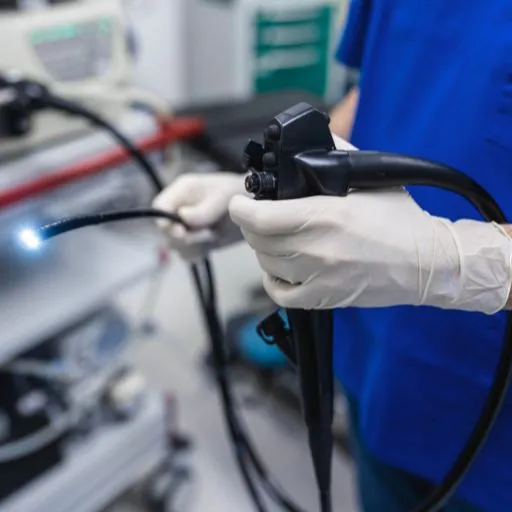
We understand that having a premature baby can be an emotional rollercoaster. At Borneo Hospital, we’re committed to providing the most advanced and compassionate care for your little one. If your baby needs specialised respiratory support, our Level III NICU is equipped with state-of-the-art high-frequency ventilators, offering gentle and effective breathing assistance tailored to their delicate needs.
High-frequency ventilators are specialised breathing machines designed to deliver small, rapid breaths to premature or critically ill babies. Unlike conventional ventilators, which deliver larger breaths at a slower rate, high-frequency ventilators provide a gentler form of ventilation that’s less likely to damage delicate lung tissue.
Why Choose Borneo Hospital for Your Baby's Care?
Expert Neonatologists
Our highly trained and experienced neonatologists are experts in managing complex respiratory conditions in newborns.
State-of-the-art technology
We use the latest high-frequency ventilators and monitoring systems to provide the most advanced care for your baby.
Compassionate Care
We understand the challenges of having a baby in the NICU, and we're here to support you and your family every step of the way.
Family-Centred Approach
We encourage you to be actively involved in your baby's care and provide a comfortable and welcoming environment for families.
Your Baby's Journey with High-Frequency Ventilation at Borneo Hospital
At Borneo Hospital, we are committed to delivering compassionate care with advanced medical expertise, ensuring your well-being at every step. Our state-of-the-art facilities and dedicated team provide personalised solutions for High-Frequency Ventilation need
Frequently Asked Questions About High-Frequency Ventilation
What is High-Frequency Ventilation (HFV) and how does it differ from conventional ventilation?
High-Frequency Ventilation (HFV) is a specialized type of breathing support that delivers very small breaths at a very rapid rate, typically much faster than conventional ventilators. This method aims to provide gentle and effective respiratory support for infants with fragile lungs.
Why might a newborn baby require High-Frequency Ventilation?
Newborn babies might require High-Frequency Ventilation when their lungs are very delicate or severely affected by conditions that make conventional ventilation less effective or potentially more challenging. It is often used for infants who need very precise and gentle breathing assistance.
How does High-Frequency Ventilation help a baby's lungs?
High-Frequency Ventilation works by keeping the baby's lungs slightly open and delivering rapid, tiny puffs of air. This approach can help improve oxygenation and carbon dioxide removal while minimizing the pressure on the delicate lung tissue, potentially reducing lung injury.
What kind of monitoring is involved when a baby is on High-Frequency Ventilation?
Babies on High-Frequency Ventilation receive continuous and close monitoring. This typically includes constant observation of their vital signs, blood gas levels, and respiratory status to ensure the ventilation settings are optimal and the baby is responding well to the treatment.
Is High-Frequency Ventilation a long-term treatment?
High-Frequency Ventilation is generally used as a temporary support measure. The goal is to assist the baby's breathing until their lungs are strong enough to manage with less intensive support, eventually transitioning to conventional ventilation or breathing independently.
What happens when a baby is ready to come off High-Frequency Ventilation?
When a baby's lungs show signs of improvement, the medical team will carefully assess their readiness to transition off High-Frequency Ventilation. This process is gradual and involves carefully adjusting settings and monitoring the baby's response to ensure a smooth and safe transition to other forms of respiratory support.